
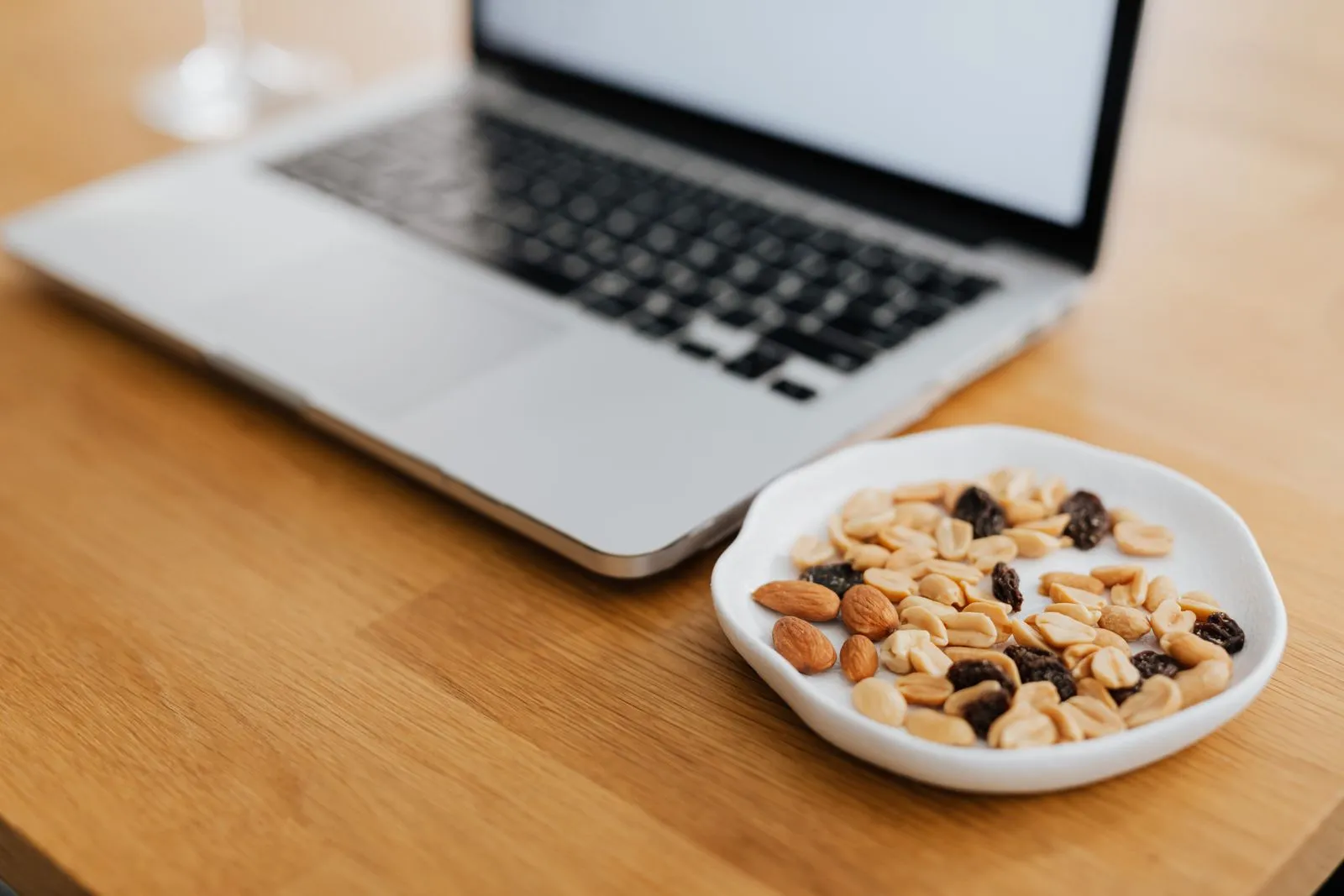
A good workplace snack should be easy to grab, satisfying enough to bridge the gap between meals, and simple to eat during a busy day. The most useful options combine foods such as fruit, vegetables, whole grains, protein, or healthy fats. Planning around meeting schedules, storage space, and team preferences makes snacks more likely to be eaten—and helps avoid relying on whatever is quickest when energy dips.
Build a satisfying snack
Pairing two types of food can make a snack more sustaining than choosing a sweet or salty item on its own. Try an apple with nut butter, yogurt with fruit, or whole-grain crackers with hummus. These combinations bring together carbohydrates with protein or fat, which can help a snack feel more filling and keep hunger at bay until the next meal.
Keep portions practical for the time of day and the gap before a meal. A small snack may be enough between breakfast and lunch; a longer afternoon stretch may call for something more substantial. Encourage people to notice their hunger and choose accordingly rather than treating snacks as a replacement for regular meals.
Match snacks to work routines
For back-to-back meetings, choose tidy options that do not need preparation, such as a banana, a small portion of unsalted nuts, or whole-grain oatcakes. If staff have access to a fridge, add options like boiled eggs, yogurt, or cut vegetables with a dip. Clearly label items that need refrigeration, and avoid leaving perishable food at room temperature for extended periods.
For desk drawers or shared cupboards, stock sealed, shelf-stable choices and check dates during routine restocking. Plain popcorn, dried fruit, whole-grain crackers, and nut or seed packs can work well. Offer water nearby, too; thirst can sometimes be mistaken for hunger, and having a drink within reach makes hydration easier during focused work.
Make the choice inclusive
Teams do not all eat the same foods. Ask employees about preferences and dietary requirements, then provide a mix of options rather than assuming one snack suits everyone. Include choices that are vegetarian or vegan, and consider common allergens such as peanuts, tree nuts, milk, and gluten. Keep packaging or ingredient information available so people can check before eating.
Use separate containers and serving utensils where possible, and label shared food clearly. Avoid describing a food as suitable for everyone unless its ingredients and handling support that claim. If the workplace has specific allergy procedures, follow them when buying, storing, and serving snacks.
Plan a snack setup that lasts
A simple snack station is easier to maintain when it has a clear budget, a named person responsible for checking supplies, and a regular restocking routine. Keep everyday options visible and group items by storage needs. Put fresh food in a fridge and shelf-stable food in a clean, dry cupboard, rather than buying more than the team can use.
Start with a small selection and observe what people actually choose. Rotate options to add variety, and invite feedback without making snacks feel mandatory. Track which foods run out and which remain untouched; this helps guide future shopping and reduces waste. A useful setup supports choice, not pressure to snack.
Healthy workplace snacks work best when they are convenient, satisfying, and suited to the people who use them. Begin with a few easy options, plan for storage and food safety, and adjust the selection based on team feedback. For help shaping a practical workplace nutrition plan, Nottingham Workday Nutrition can discuss options with your team.